Contribute
Donating = Outreach Energy
Universal Theosophy is run by volunteers and is Dedicated to the spread of theosophical ideas in the service of human solidarity and harmony. Your monthly donations, no matter how small, help us finance this effort. Click below to read about the projects you’d be helping.
October 2026
Upcoming Events
Videos
Universal Theosophy Videos
The Writing of the S.D.

What is Theosophy?

A Bird’s Eye View of Theosophy
Correlations Videos
How Is Illusion of Solid Matter Created?

The Wisdom of Not Knowing
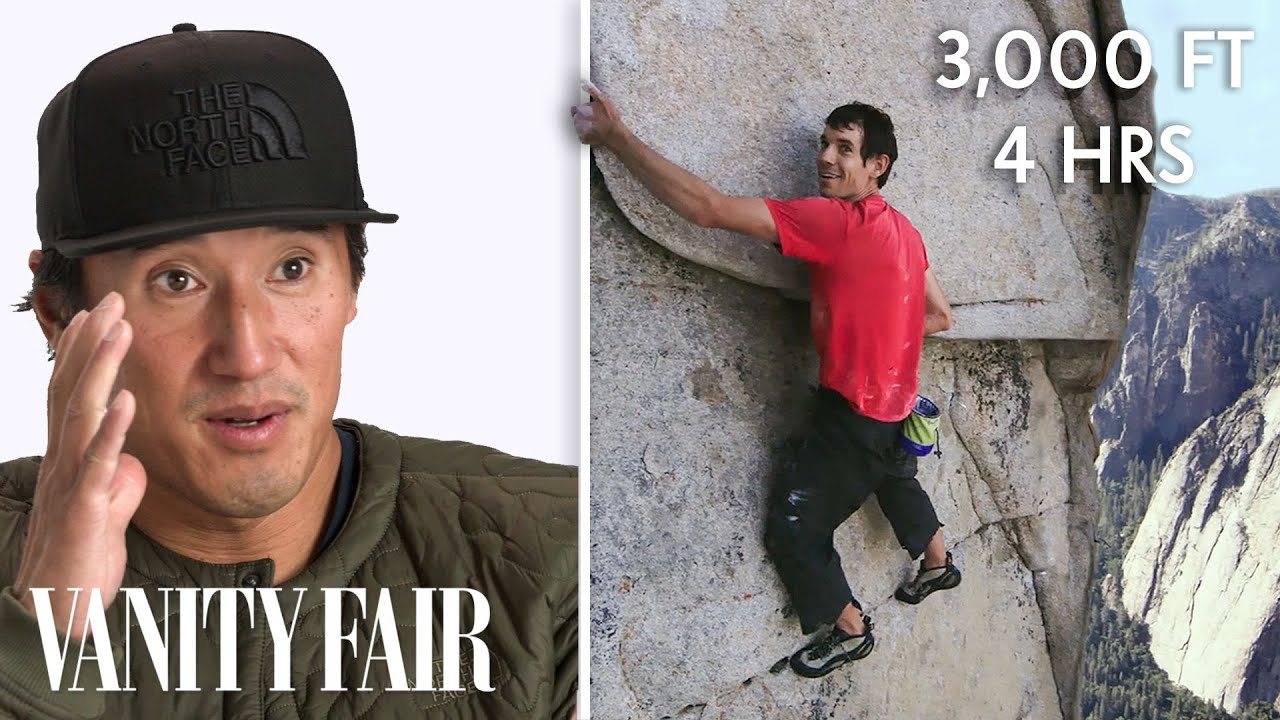
The First El Capitan Climb With No Ropes

A Nurse’s Near-Death Experience
Universal Theosophy Interview

The Dalai Lama: Heart
How to Face Death
Human Excellence

How the Golden Gate Bridge Works

Andres Segovia – El Noi de la Mare
October 2026

Featured Article from our Online Library
What Reincarnates?
Robert Crosbie
Theosophy presents a larger view in showing that man is not his body, because the body is continually changing; that man is not his mind, because he is constantly changing his mind; that there is in man a permanency which is the identity throughout all kinds of embodiments. There has been no change in our identity from childhood up to the present day. The body has changed; the surroundings have changed; but the identity remains the same and will not change from now on through all changes of body or mind or circumstance. That in us which is itself unchanging is the only real. Nothing is real that changes. It is only the real that perceives change. Change can not see change. Only that which is constant perceives change; only the permanent can perceive impermanence. However dimly we may perceive it, there is that in us which is eternal and changeless.
This unchanging, constant, and immortal something in us is not absent from any particle or any being whatever. There is only one Life in the world to which we, as well as all other beings, pertain. We all proceeded from the same one Source—not many—and we are proceeding on the same path to the same great goal. The ancients said that the Divine Self is in all beings, but in all it does not shine forth. The real is within, and may be realized by any human being in himself. Everyone needs that realization that he may shine forth and express the God within, which all beings but partially express.
Life is one. Spirit is one. Consciousness is one. These three are one—a trinity—and we are that trinity. All the changes of substance and form are brought about by Spirit and Consciousness and expressed in various forms of life. We are that One Spirit, each standing in a vast assemblage of beings in this great universe, seeing and knowing what he can through the instruments he has. We are the Trinity—the Father, the Son, and the Holy Ghost; or, in theosophical parlance, we are Alma, Buddhi, and Manas. Atma is the One Spirit, not belonging to any one, but to all. Buddhi is the sublimated experience of all the past. Manas is the thinking power, the thinker, the man, the immortal man. There is no man without the Spirit, and no man without that experience of the past; but the mind is the realm of creation, of ideas; and the Spirit itself, with all its power, acts according to the ideas that are in the mind.
We must give up the idea that we are poor, weak, miserable creatures who can never do anything for ourselves; for as long as we hold that idea, so long will we never do anything. We must get the other idea—that we are Spirit, that we are immortal—and when we come to realize what that means, the power of it will flow directly in and through us, unrestricted in any direction, save by the instruments which we ourselves caused to be imperfect. let us get away from the idea that we are this poor, miserable, defective physical body over which we have so little control. We can not stop a heart beat; we can not stop the breath without destroying the body; we can not stop the constant dissociation of matter that goes on in it, nor prevent its final dissolution. Some people talk of “demonstrating” against death, but we might as well try to demonstrate against the trees shedding their leaves when the winter blasts come. Death will always be, and there is a great advantage in it. If we could not change our bodies, how would there be any chance for advancement? Are we so well pleased with the bodies now ours that we would desire no change? Certainly not. There is only one thing in this life that can be retained permanently, and that is the spiritual nature, and the great divine compassion which we may translate by the word “love.”
We are the reincarnating Egos who will continue to incarnate until the great task which we undertook is completed. That task is the raising up of the whole of humanity to the highest possible stage of perfection on an earth of this kind. We incarnate from age to age for the preservation of the just, the destruction of wickedness, and the establishment of righteousness. That is what we are here for, whether we know it or not, and we must come to a recognition of the immortality of our own natures before we shall ever relieve ourselves from the distresses that afflict humanity everywhere. We have to bring ourselves in touch and tune with the whole great purpose of Nature which is the evolution of Soul, and for which alone all the universe exists.
Read Whole Article Here https://theosophylib.com/rc/what-reincarnates/
Jewels of Wisdom

Autumnal Tints
It is pleasant to walk over the beds of these fresh, crisp, and rustling leaves. How beautifully they go to their graves! how gently lay themselves down and turn to mould!–painted of a thousand hues, and fit to make the beds of us living. So they troop to their last resting-place, light and frisky. They… Read More

Story
The Story of the Golden Swan
Once, the Buddha was born as a virtuous house-holder in Varanasi. He worked hard to maintain his small family of a wife and three daughters. After his death he was reborn as a golden swan with the consciousness of his former existence. One day, being overwhelmed with the memory of the family of his previous… Read More
Cross Currents
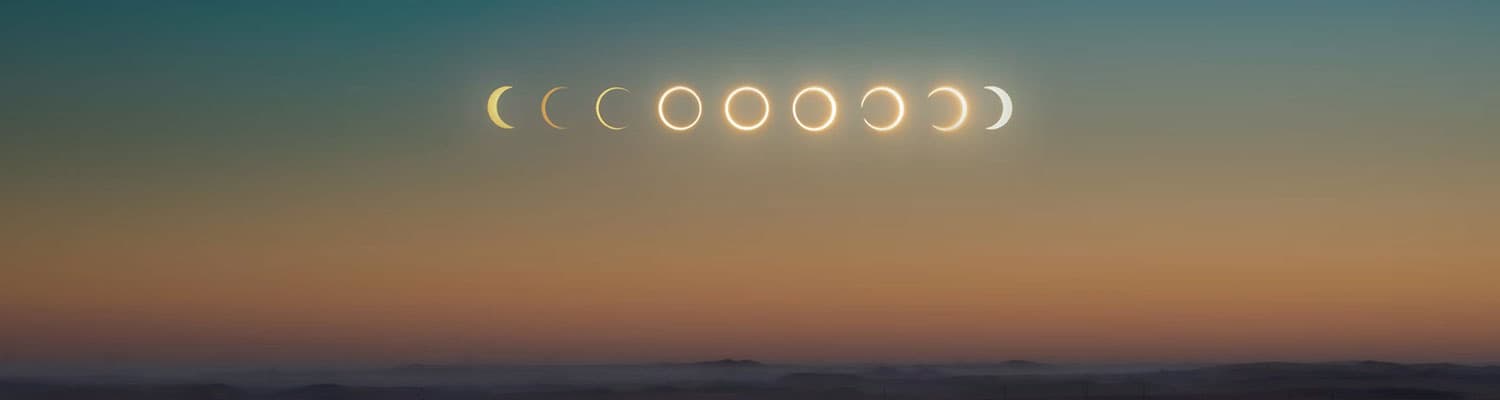
Memory and Reincarnation
By William Quan Judge The Ocean of Theosophy
But, it is said, if we reincarnate how is it that we do not remember the other life; and further, as we cannot remember the deeds for which we suffer is it not unjust for that reason? Those who ask this always ignore the fact that they also have enjoyment and reward in life and are content to accept them without question. For if it is unjust to be punished for deeds we do not remember, then it is also inequitable to be rewarded for other acts which have been forgotten. Mere entry into life is no fit foundation for any reward or punishment. Reward and punishment must be the just desert for prior conduct. Nature’s law of justice is not imperfect, and it is only the imperfection of human justice that requires the offender to know and remember in this life a deed to which a penalty is annexed. In the prior life the doer was then quite aware of what he did, and nature affixes consequences to his acts, being thus just. We well know that she will make the effect follow the cause whatever we wish and whether we remember or forget what we did. If a baby is hurt in its first years by the nurse so as to lay the ground for a crippling disease in after life, as is often the case, the crippling disease will come although the child neither brought on the present cause nor remembered aught about it. But reincarnation, with its companion doctrine of Karma, rightly understood, shows how perfectly just the whole scheme of nature is.
Memory of a prior life is not needed to prove that we passed through that existence, nor is the fact of not remembering a good objection. We forget the greater part of the occurrences of the years and days of this life, but no one would say for that reason we did not go through these years. They were lived, and we retain but little of the details in the brain, but the entire effect of them on the character is kept and made a part of ourselves. The whole mass of detail of a life is preserved in the inner man to be one day fully brought back to the conscious memory in some other life when we are perfected. And even now, imperfect as we are and little as we know, the experiments in hypnotism show that all the smallest details are registered in what is for the present known as the sub-conscious mind. The theosophical doctrine is that not a single one of these happenings is forgotten in fact, and at the end of life when the eyes are closed and those about say we are dead every thought and circumstance of life flash vividly into and across the mind.
Many persons do, however, remember that they have lived before. Poets have sung of this, children know it well, until the constant living in an atmosphere of unbelief drives the recollection from their minds for the present, but all are subject to the limitations imposed upon the Ego by the new brain in each life. This is why we are not able to keep the pictures of the past, whether of this life or the preceding ones. The brain is the instrument for the memory of the soul, and, being new in each life with but a certain capacity, the Ego is only able to use it for the new life up to its capacity. That capacity will be fully availed of or the contrary, just according to the Ego’s own desire and prior conduct, because such past living will have increased or diminished its power to overcome the forces of material existence.
By living according to the dictates of the soul the brain may at least be made porous to the soul’s recollections; if the contrary sort of a life is led, then more and more will clouds obscure that reminiscence. But as the brain had no part in the life last lived, it is in general unable to remember. And this is a wise law, for we should be very miserable if the deeds and scenes of our former lives were not hidden from our view until by discipline we become able to bear a knowledge of them.
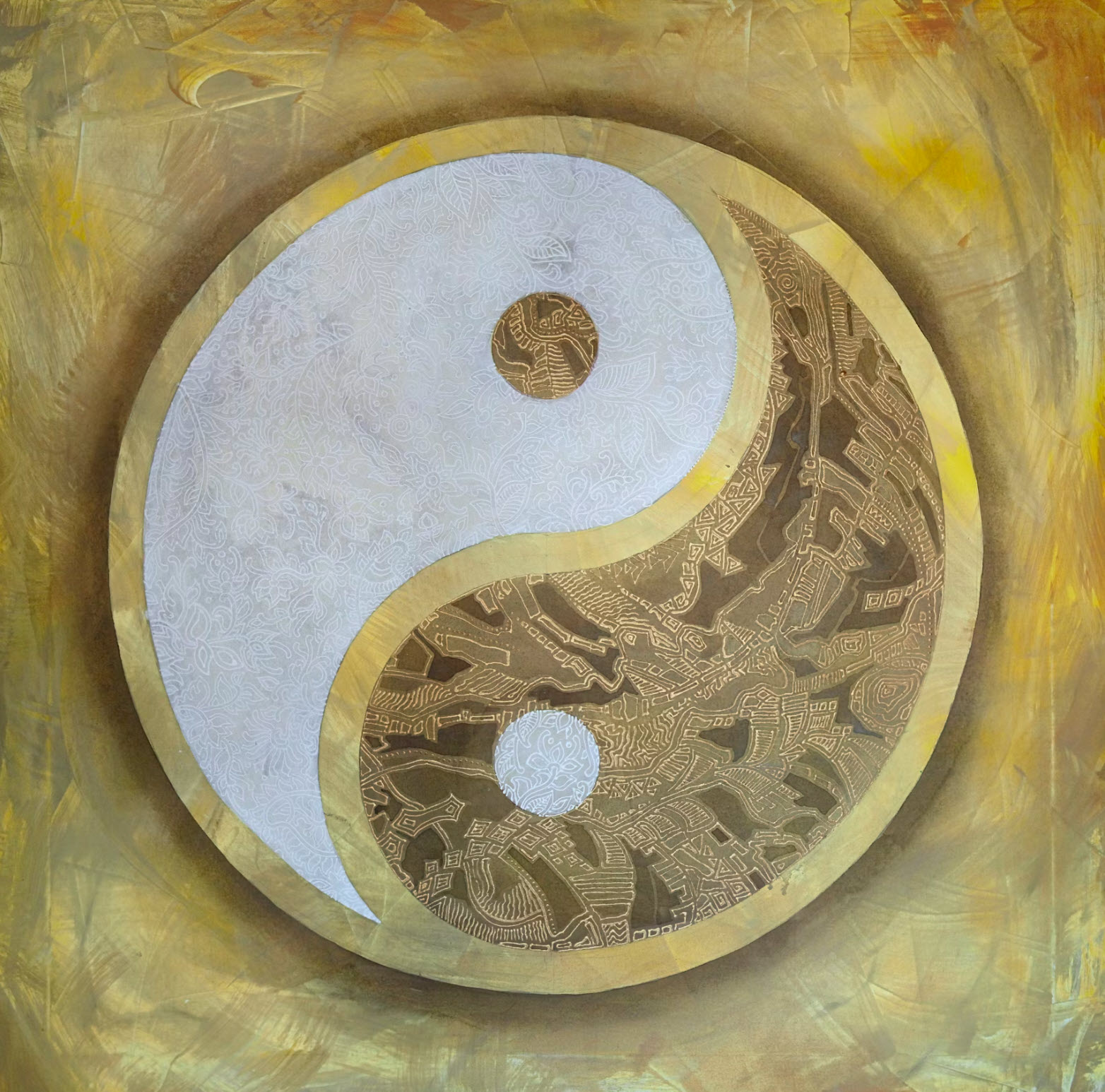
Theosophy is Divine Wisdom and?
Omnipresent Divinity
In the mystery schools of ancient cultures the concept of God was always abstract and never anthropomorphic. The idea of God varies from culture to culture and perhaps from individual to individual. In fact, the spiritual traditions of indigenous peoples and ancient cultures was decidedly polytheistic. The key idea is that the universe is the home to scores of intelligent and semi-intelligent beings on metaphysical planes but all under a common LAW and from a common Source. These metaphysical forces/intelligences which interpenetrate the physical world were often given forms and symbols connected to the Natural World to make them more accessible. But the deeper teaching was that Divinity was everywhere, transcendental, universal, and omnipresent. Therefore, it follows that either everything is sacred or nothing is sacred. If all of life has a single Abstract Source it is logical that divinity is omnipresent.
Go here to read our 21 statements about Theosophical Philosophy